Benefits of corn
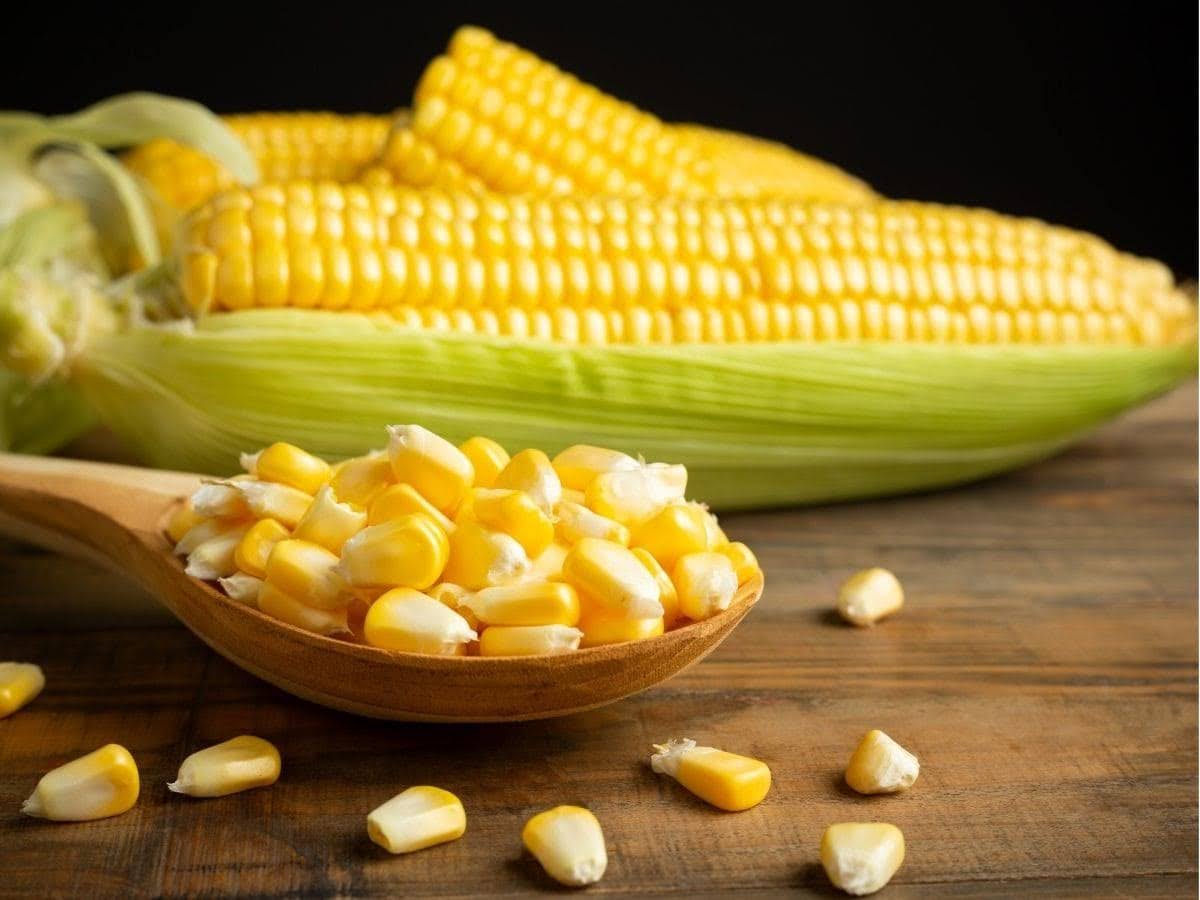
Yes, corn is good for you, as long as you eat it in its less processed forms and in sensible portions. The benefits of corn come from what this cereal grain packs in: fibre, B vitamins, minerals and two antioxidants linked to eye health. In Malaysia we eat it in all sorts of ways: boiled cobs from the night market, corn cups, corn soup, popcorn at the cinema. Not all of these are equal, though. This guide covers what corn actually is, its nutrition, real benefits and which forms are worth choosing.
Key Takeaways
- Corn is a cereal grain eaten fresh as sweet corn, dried as popcorn or cornmeal, and processed into corn starch, oil and syrup.
- Whole forms of corn give you fibre, B vitamins, magnesium and the antioxidants lutein and zeaxanthin.
- Corn starch keeps almost none of the fibre, so it doesn't carry the same benefits.
- Sweet corn has a low glycemic index of 52, lower than white rice at 73.
- Portions and toppings matter most. Butter, condensed milk and salt add what plain corn doesn't have.
What is corn? Fruit, vegetable, or grain?
Corn is a cereal plant from the grass family, according to Britannica's entry on corn. How it's classified on your plate depends on when it's harvested. The University of Arizona Cooperative Extension puts it simply:
- Sweet corn picked young is treated as a vegetable, whether it's fresh, frozen or canned.
- Dried corn and ground corn count as a grain.
- Popcorn and whole grain corn products count as whole grains.
So the short answer is that corn is a grain, and sweet corn is the one we eat like a vegetable.
There are several types of corn, each with a different job:
| Type | What it's used for |
| Sweet corn | Eaten fresh, frozen or canned. The corn on your plate |
| Field (dent) corn | Animal feed, industrial products and food processing |
| Popcorn | A small-kernelled type that pops when heated |
| Flint corn | Hard, colourful kernels, often used for decoration |
| Flour corn | Soft starch that's easy to grind into flour |
In Malaysia you'll also see local varieties like milk corn or pearl corn at markets and roadside stalls. They're boiled, grilled and eaten the same way as regular sweet corn.
Corn Nutrition Facts
Corn's nutrition depends on the form you eat. A boiled cob and a spoonful of corn starch both come from corn, but they're very different foods. Here's how four common forms compared per 100 g, using USDA FoodData Central data:
| Per 100 g | Boiled sweet corn | Dried yellow corn | Air-popped popcorn | Corn starch |
| Calories | 96 kcal | 365 kcal | 382 kcal | 381 kcal |
| Carbohydrate | 21.0 g | 74.3 g | 77.9 g | 91.3 g |
| Fibre | 2.4 g | 7.3 g | 15.1 g | 0.9 g |
| Protein | 3.4 g | 9.4 g | 12.0 g | 0.3 g |
| Fat | 1.5 g | 4.7 g | 4.2 g | 0.1 g |
Corn starch is also one of the raw materials Ajinomoto (Malaysia) Berhad uses in its products, with 562 tonnes used in 2026. It's a reminder that corn turns up in far more foods than the cob on your plate.
Health Benefits of Corn
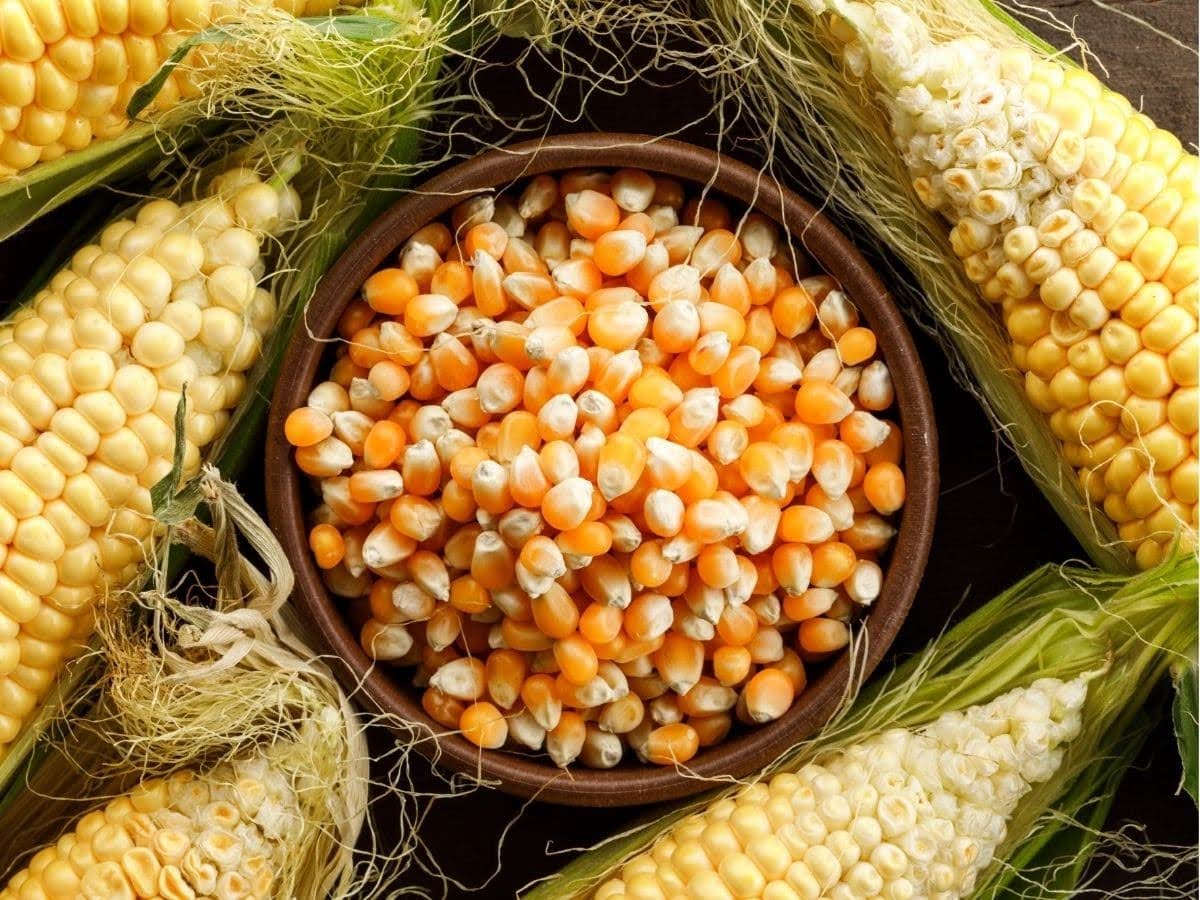
These benefits apply mainly to whole forms of corn: fresh sweet corn, popcorn and whole grain cornmeal.
High in Fibre for Digestion
Corn contains mostly insoluble fibre, the kind that helps food move through your digestive system. Harvard's Nutrition Source explains that insoluble fibre promotes regularity and helps prevent constipation. Popcorn and dried corn are the richest sources, while a boiled cob gives you about 2.5 g.
Antioxidants for Eye Health
Yellow corn contains lutein and zeaxanthin, the same pigments that make up the protective macular pigment in your eyes. In a small 1997 study of 13 adults, adding spinach and corn to the diet raised macular pigment density in most participants. It's early evidence, not proof that corn prevents eye disease, but it's a good reason to keep colourful whole foods like corn on your plate.
A Whole Grain That Fuels You
Popcorn and whole grain cornmeal count as whole grains, which means you get the bran, germ and endosperm together. That's where the fibre, vitamins and minerals sit. Choosing whole grain corn over refined corn products is an easy way to add more whole grains to your week.
Source of B Vitamins
Corn provides thiamin (vitamin B1), vitamin B6, niacin and folate. Thiamin, for example, helps turn the food you eat into energy, according to the US National Institutes of Health. Dried corn is an especially good source of B6 and thiamin.
Provides Magnesium and Potassium
Corn adds useful amounts of both minerals. Magnesium helps regulate muscle and nerve function, blood sugar and blood pressure. Potassium helps balance the effect of sodium in your body, which matters if your diet includes a lot of salty food.
Naturally Gluten-Free
Corn in its natural form is gluten-free, so corn flour and cornmeal are handy swaps for people who avoid gluten. The catch is processed products. Sauces, flavourings and shared factory lines can add gluten, so look for a gluten-free label if you need to be strict.
Helps You Feel Full
A medium boiled cob (about 103 g) has just under 100 calories, plus fibre and plenty of volume. Fibre also helps keep hunger in check. That makes plain corn a filling snack compared with fried or sugary options of the same calorie count.
Versatile and Easy to Find
You can buy corn fresh, frozen, canned or as flour, and it works in soups, stir-fries, fried rice, traditional cakes and salads. It's affordable and available all year, which makes it one of the easiest ways to add more plant foods to everyday Malaysian meals.
Healthiest Ways to Eat Corn
The healthiest cooking methods, from best to least good:
- Boil or steam with nothing added.
- Grill without heavy butter or sauces.
- Fry only occasionally, as in corn fritters.
If you season corn at home, you can cut salt without losing flavour. AJI-NO-MOTO® contains 12% sodium compared with 39% in table salt, so replacing part of the salt with a pinch of umami seasoning keeps the taste while lowering the sodium.
How Ajinomoto Malaysia Supports Healthier Eating
Good food should be both delicious and good for you. Through our nutrition and healthy eating programmes, Ajinomoto Malaysia supports better diets with umami-based cooking, sports nutrition and meals for older adults.
In 2026, we ran 66 community programmes reaching about 604,380 people, covering active living, health and nutrition education and youth programmes. Salt is a big focus too, since 4 out of 5 Malaysian adults eat more salt than recommended. Our Less Salt, Umami It campaign shows home cooks how to use less salt without giving up flavour, through cooking classes and a low-sodium recipe challenge. You'll find more tips in our delicious healthy eating articles.
Frequently Asked Questions
Is it good to eat corn every day?
Yes, corn can be part of a healthy daily diet if you keep the portion sensible and choose less processed forms. One boiled cob or a small bowl of kernels is a reasonable serving. Eat it as part of a varied diet with vegetables, protein and other whole grains, rather than relying on corn as your main carb every day.
Is corn too high in sugar?
No. Boiled sweet corn has about 4.5 g of sugar per 100 g, and most of its carbohydrate is starch. Its glycemic index of 52 is in the low range, lower than white rice. The sugar problem usually comes from toppings like condensed milk or from sweetened corn products such as some breakfast cereals.
Does corn burn belly fat?
No food burns fat on its own. Corn can help with weight management because it's filling and relatively low in calories when eaten plain, at just under 100 calories for a medium cob. Losing belly fat comes down to your overall diet, activity and sleep, not one ingredient.
Is boiled corn good for health?
Yes. Boiling is one of the healthiest ways to eat corn because it adds no fat, sugar or salt. A plain boiled cob gives you fibre, B vitamins, potassium and antioxidants with almost no sodium. Just go easy on the butter and salt afterwards.
Is corn a fruit, a vegetable or a grain?
Corn is a cereal grain from the grass family. Sweet corn, which is picked young and eaten fresh, is treated as a vegetable in meal planning. Dried corn, cornmeal and popcorn count as grains, and popcorn is a whole grain.