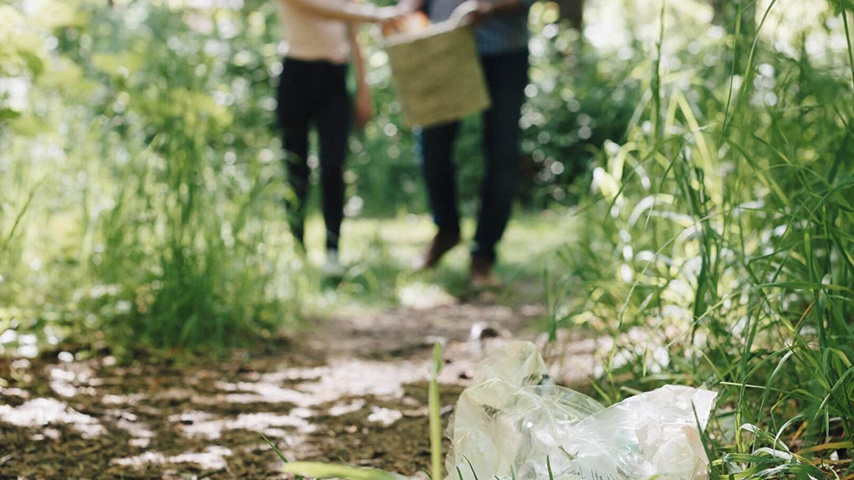
Measures to Overcome Environmental Pollution

Addressing environmental pollution requires the involvement of all parties. Individuals need to reduce waste and plastic usage; communities should look after their own local areas; schools must educate students; the government needs to enforce laws; and industries must treat waste before it is discharged. These efforts still require full support. Out of 672 major rivers monitored in 2024, 27 were found to be polluted, while another 170 were moderately polluted.
Key Summary
- Pollution can only be addressed when individuals, society, schools, the government, industries, and the media each play their respective roles.
- In 2024, 71% of the 672 major rivers in Malaysia were classified as clean, yet 27 rivers remained polluted.
- Discharges from sewage treatment plants, livestock waste, industrial effluents, and silt runoff are among the primary causes of river pollution.
- Fines for polluting inland waters now range from RM50,000 to RM10 million, with a mandatory prison sentence of up to five (5) years.
- In 2026, the treated effluent from the Ajinomoto Malaysia factory remained well below half of the 'Standard A' limit for all four reported parameters.
Addressing Pollution: Responsibilities by Party
Each party contributes to pollution in different ways; therefore, each also has its own specific measures to address it.
The Role of the Individual
Most daily waste originates at home. A small habit may seem trivial, but individual actions have a significant impact when practiced by millions of people.
- Reduce the use of single-use plastics. Bring your own bags, bottles, and containers to ensure less plastic ends up in drains, rivers, and the ocean.
- Separate waste for recycling. Paper, plastic, cans, and glass that are sorted can be reprocessed instead of being sent to a landfill. Read our guide on recycling and sustainable waste management.
- Do not pour cooking oil or chemicals into sinks or drains. Oil clogs drains and eventually flows into rivers.
- Do not burn trash. Open burning pollutes the air and is an offense under the Environmental Quality Act 1974.
- Conserve electricity and water. The less energy consumed, the less fuel is burned to generate it.
More daily habits—both at home and while out and about—are listed in our guide on how to care for the environment.
The Role of Family and Society
Communities that look after their own surroundings can detect pollution early, before it spreads to rivers or other areas.
- Organise community clean-up activities to clear drains, rivers, and residential areas.
- Ensure that waste is disposed of in designated areas and that trash bins are kept covered.
- Teach children not to litter.
- Report instances of pollution to the Department of Environment (DOE) via the toll-free hotline 1-800-88-2727 or the eAduan portal.
Public reports help the DOE identify pollution that might otherwise go unnoticed by field officers. In the first four months of 2026 alone, the DOE received 6,252 pollution complaints. Therefore, do not hesitate to report any pollution you observe.
The Role of Schools and Students
Schools are the best places to cultivate eco-friendly habits from an early age, as students take these habits home and influence their families.
- Implement recycling programmes organised by classes or sports houses.
- Turn off fans, lights, and air conditioning when classrooms are unoccupied.
The Role of the Media and NGOs
The media and non-governmental organisations (NGOs) help the public understand pollution issues and encourage them to take action.
- Reporting instances of pollution to ensure that the authorities and the public remain aware.
- Conducting awareness campaigns, such as initiatives to reduce plastic use or discourage the burning of waste.
- Organising cleanup and tree-planting programmes in collaboration with the community.
The Role of the Industry
Factories and industrial premises must control pollution before waste reaches rivers or the air. Cleaning up pollution after it has occurred is far more difficult.
- Treat all wastewater before discharge, and ensure that the effluent meets established limits.
- Monitor the quality of effluent and air emissions regularly—not just when inspections take place.
- Manage scheduled wastes, such as chemicals and used oil, through licensed contractors.
- Transition to green technologies and cleaner energy sources, and reduce the amount of waste sent to landfills.
The Role of the Government
The government establishes regulations, monitors environmental quality, and penalises those who violate the law. In Malaysia, pollution is controlled under the Environmental Quality Act 1974 and enforced by the Department of Environment (DOE).
- Increasing penalties. Through the Environmental Quality (Amendment) Act 2024 (Act A1712), the maximum fine for environmental offenses has been raised from RM100,000 to RM10 million. For instance, polluting inland waters now carries a fine ranging from RM50,000 to RM10 million, along with a mandatory prison sentence of up to five years.
- Controlling open burning. The same amendment increases the penalty for open burning to a fine of up to RM1 million.
- Monitoring rivers and air quality. The DOE monitors the water quality of 672 major rivers nationwide.
- Conducting inspection operations. Between January and April 2026, the DOE inspected 137,722 vehicles and investigated 3,237 cases of open burning.
Addressing Pollution by Type

Each type of pollution has different causes; therefore, the measures to address them also vary. This table summarises the key measures for each type, followed by further explanations below.
| Type of pollution | Key measures |
|---|---|
| Air pollution | Do not burn trash; use public transportation; maintain vehicles |
| Water and river pollution | Treat sewage and effluents; control silt runoff; do not pour chemicals down the sink |
| Soil pollution | Properly manage scheduled waste; reduce the use of pesticides |
| Noise pollution | Limit noisy work during nighttime; maintain vehicle exhaust systems |
| Thermal pollution | Cool down hot water before discharge; reuse waste heat; adhere to the 40°C temperature limit |
| Plastic pollution | Reduce single-use plastics; segregate waste for recycling |
Air Pollution
In urban areas, vehicle exhaust is the primary source of air pollution. Haze, meanwhile, is largely caused by fires on plantations and in peat forests. Therefore, the key measures involve reducing vehicle exhaust and open burning.
- Do not burn trash or garden waste. Under the 2024 amendments, open burning can now result in a fine of RM25,000 to RM1 million, imprisonment for up to five years, or both.
- Use public transport, carpool, cycle, or walk for short distances.
- Maintain your vehicle to prevent excessive exhaust emissions. According to Department of Environment (DOE) data from January to April 2026, 764 vehicles were ordered to undergo re-testing due to their exhaust emissions.
- Factories must maintain emission control equipment and monitor smoke emissions from their chimneys.
Also, learn about ways to reduce greenhouse gas emissions in Malaysia.
Water and River Pollution
Rivers are the nation’s primary water source, yet not all of them are clean. Of the 672 major rivers monitored in 2024, 475 (71%) were classified as clean, 170 (25%) as moderately polluted, and 27 (4%) as polluted. Contributing factors include discharges from sewage treatment plants, livestock waste, industrial effluents, and silt runoff from development sites. Groundwater, lakes, and the sea can also become contaminated by chemicals and fertilisers carried by rainwater.
- Ensure that sewage is fully treated. According to the same report from November 2024, discharges from sewage treatment plants were linked to the pollution of 25 rivers.
- Treat industrial effluents before discharge. Ensure proper wastewater treatment processes are in place.
- Control silt runoff at construction sites—for example, by using silt traps and covering exposed soil.
- Manage livestock waste to prevent it from flowing directly into rivers.
- Do not pour paint, oil, or chemicals into sinks or drains, and do not dispose of trash into rivers.
- Use fertilisers and pesticides in the correct, recommended amounts. Excess nitrogen and phosphorus trigger rapid algal growth; when this algae dies, it depletes the oxygen in the water.
- Maintain household septic tanks to prevent sewage from leaking into the soil or drains.
Soil Pollution
Soil becomes contaminated when industrial waste, poorly managed waste, and agricultural chemicals seep into it. In 2021, while launching a joint report with the FAO and UNEP on soil pollution, the Director-General of the FAO identified industrial and mining activities, urban and industrial waste, and unsustainable agricultural practices as the primary causes.
- Dispose of hazardous waste—such as batteries, used oil, and e-waste—at designated collection centres.
- Reduce the use of pesticides and chemical fertilisers, and opt for compost whenever possible.
- Do not engage in illegal dumping.
- Industries are required to manage scheduled waste through licensed contractors. Under 2024 amendments, soil contamination can result in fines ranging from RM50,000 to RM500,000.
Noise Pollution
Persistent noise from traffic, construction sites, and factory machinery can negatively impact health. Documented effects include sleep disturbances, cardiovascular disease, and hearing problems.
- Limit noisy construction work to daytime hours.
- Maintain vehicle exhaust systems, and do not modify them to increase noise levels.
- Plant trees between roads and residential areas to help reduce noise.
- Factories should enclose or soundproof noisy machinery.
Under the 2024 amendments, noise pollution offenses can incur fines ranging from RM10,000 to RM250,000—this is not a trivial matter.
Thermal Pollution
Thermal pollution occurs when the water temperature in rivers, lakes, or oceans changes due to human activity. The most common cause is the use of water as a coolant by power plants and factories, after which it is discharged back into the environment at a higher temperature. Warmer water contains less dissolved oxygen, which can negatively affect fish and other aquatic life.
- Cool down heated water before discharge, for instance by using cooling ponds or cooling towers.
- Reuse waste heat through cogeneration—utilising the heat to power other processes within the facility.
- Adhere to effluent temperature limits. The Environmental Quality (Industrial Effluent) Regulations 2009 stipulate a maximum temperature of 40°C for discharged industrial effluent.
- Preserve vegetation along riverbanks to provide shade and protect the water from direct sunlight.
Plastic Pollution
The most effective measures include reducing single-use plastics, opting for recyclable packaging, and ensuring that plastics are separated for recycling. We provide a more comprehensive list of steps to address plastic pollution in our article on plastic pollution in Malaysia.
How Ajinomoto Malaysia Controls Pollution

At our factory in Bandar Enstek, Negeri Sembilan, all wastewater is treated at our own on-site wastewater treatment plant prior to discharge. According to our 2026 Annual Report, we achieved 100% compliance with effluent discharge requirements in 2026, with no material incidents of non-compliance. All four parameters we report remained at less than half of the limits set under "Standard A."
Standard A refers to stricter effluent limits, which apply to discharges into inland waters within catchment areas as specified under the relevant industrial effluent regulations. COD and BOD measure the amount of organic matter capable of depleting oxygen in rivers; ammoniacal nitrogen represents residual nutrients; and colour is measured in ADMI units. The lower the reading, the cleaner the discharged water.
| Effluent parameters | Standard Limit A | Our verdict (2026) | Percent of limit |
|---|---|---|---|
| COD | 80 mg/L | 34.3 mg/L | 42.9% |
| BOD | 20 mg/L | 8.2 mg/L | 41.0% |
| Ammonia nitrogen | 10 mg/L | 2.4 mg/L | 24.0% |
| Colour | 100 ADMI | 42.4 ADMI | 42.4% |
We also reduce pollution from other sources at the factory:
- Water: 19.9% of the water used comes from harvested rainwater and treated wastewater. Our target is to recycle 30% of treated wastewater.
- Energy: Solar panels at the factory meet 24.3% of our operational electricity requirements. Read about our use of renewable energy.
- Waste: 92.3% of waste is recovered and diverted from landfills, and 100% of non-recyclable plastic waste is kept out of landfills.
- Plastics: We are transitioning to mono-material packaging that is easier to recycle, with a goal of Zero Plastic Waste by 2031.
Frequently Asked Questions
What is the most effective measure to address environmental pollution?
The most effective measure is to stop pollution at its source: treating sewage and industrial effluents, refraining from burning trash, and reducing the use of single-use plastics. This approach must be supported by law enforcement and public awareness.
What is the role of students in addressing environmental pollution?
Students can join environmental clubs, organise recycling programmes, maintain cleanliness at school, and conserve energy in the classroom. They can also bring these habits home and encourage their families to do the same.
How does the Malaysian government address environmental pollution?
The government enforces the Environmental Quality Act 1974 through the Department of Environment (DOE), monitors river and air quality, and conducts inspection operations. Through the amendment under Act A1712, the maximum fine has been increased to RM10 million. For offenses such as polluting inland waters, a prison sentence of up to five years is now mandatory.
What measures are taken to address river pollution in Malaysia?
Key measures include the full treatment of sewage and industrial effluents, the control of silt runoff at construction sites, the management of livestock waste, and the prevention of waste disposal into rivers. As of 2024, 27 out of 672 major rivers remain classified as polluted.
What is the difference between preventing and addressing pollution?
Prevention means stopping pollution before it occurs—for example, by treating wastewater at industrial facilities. Addressing pollution means dealing with contamination that has already taken place—for instance, by cleaning up a river. Prevention is generally more cost-effective and more efficient.