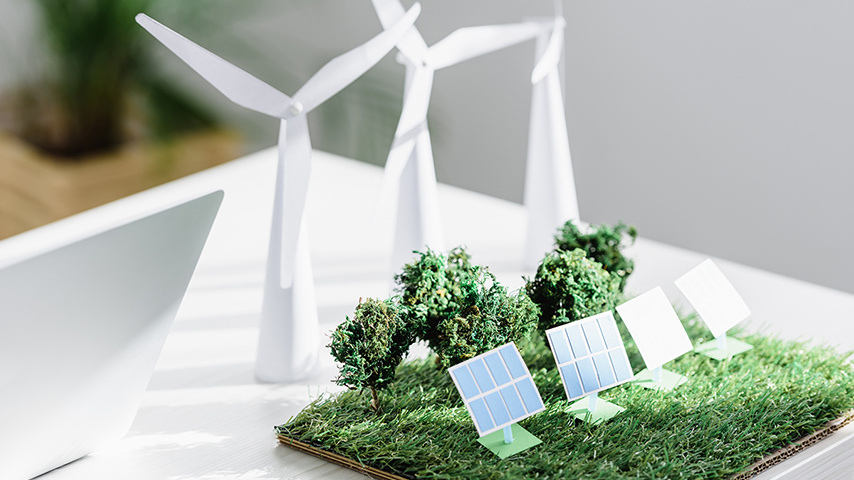
Reducing Carbon Emissions

Reducing carbon emissions means releasing less carbon dioxide and other greenhouse gases into the air, mostly by using energy more efficiently and switching to cleaner sources. Malaysia has committed to reach net-zero emissions by 2050. At Ajinomoto Malaysia, we've cut our direct and electricity-related emissions by about 84% since 2019.
Key Takeaways
- Malaysia emitted about 290 million tonnes of CO2 in 2024, or 8.16 tonnes per person.
- The energy sector, including electricity supply, produces nearly 80% of the country's greenhouse gas emissions.
- Malaysia aims to cut its emissions intensity by 45% by 2030 (against 2005 levels) and reach net zero by 2050.
- Ajinomoto Malaysia's Scope 1 and 2 emissions in 2026 were about 84.4% below 2019, ahead of our 80% target for 2031.
Carbon Emissions Explained
Carbon emissions are the carbon dioxide (CO2) released into the atmosphere when we burn things for energy. CO2 is a greenhouse gas, which means it traps heat in the atmosphere and warms the planet. You can read more about the effects of carbon dioxide on people and the environment.
According to the US Environmental Protection Agency, CO2 enters the atmosphere mainly from:
- Burning fossil fuels such as coal, natural gas and oil
- Burning solid waste, trees and other biological materials
- Certain chemical reactions, such as cement production
People often use "carbon emissions" as shorthand for all greenhouse gases, including methane and nitrous oxide. Companies usually report these together in tonnes of CO2 equivalent (tCO2e).
Carbon Emission in Malaysia
Malaysia's emissions have climbed alongside its industriay growth and its reliance on fossil fuels for power. The country emitted about 290 million tonnes of CO2 in 2024, based on Our World in Data figures. On a per-person basis, Malaysia's emissions are among the highest in the region.
Here's how Malaysia compares with some of its neighbours.
| Country | CO2 emissions, 2024 (million tonnes) | CO2 per person, 2024 (tonnes) |
| Malaysia | 290 | 8.16 |
| Singapore | 53.9 | 9.24 |
| Indonesia | 812 | 2.87 |
| Thailand | 268 | 3.74 |
| Philippines | 175 | 1.51 |
Indonesia emits the most in total because of its size. Per person, Malaysia is second only to Singapore in this group, and more than twice Thailand's level.
Biggest Carbon Emitters in Malaysia

Energy is by far the biggest source. The energy sector, which includes electricity supply, makes up nearly 80% of Malaysia's total greenhouse gas emissions, according to the Malaysian Green Technology and Climate Change Corporation (MGTC).
Within and around the energy sector, the main sources are:
- Electricity generation. Renewables made up only about 25% of installed power capacity as of early 2024, according to MGTC, so most of the country's power still comes from fossil fuels. That's a key reason energy security in Malaysia and emissions are so closely linked.
- Transport. Cars, motorcycles, lorries and planes run mostly on petrol and diesel.
- Manufacturing and industry. Factories burn fuel for heat and steam and use large amounts of electricity.
- Agriculture, land use and waste. Clearing land, farming and landfills also release greenhouse gases.
Because energy dominates, the fastest way to lower carbon emissions nationally is to use less energy and make the rest cleaner.
How Malaysia Is Lowering Carbon Emissions
Malaysia has set clear national targets, and the energy transition sits at the centre of them. Our article on Malaysia's net-zero target goes into more detail.
| Commitment | What it means |
| Nationally Determined Contribution (NDC) | Cut greenhouse gas emissions intensity (per unit of GDP) by 45% by 2030, against 2005 levels, unconditionally |
| Net zero | Reach net-zero emissions by 2050 |
| Renewable energy | Raise renewable energy's share of installed capacity to 31% by 2025, 40% by 2035 and 70% by 2050 |
| Carbon tax | Announced to start in 2026, first covering iron, steel and energy |
The National Energy Transition Roadmap (NETR) sets out how the country plans to get there. It focuses on six levers:
- Energy efficiency
- Renewable energy
- Hydrogen
- Bioenergy
- Green mobility
- Carbon capture, utilisation and storage (CCUS)
These plans are part of Malaysia's wider shift towards a low-carbon economy.
Why Lowering Carbon Emissions Matters for Businesses
National targets only work if companies act on them. Manufacturers use a lot of fuel and electricity, so what happens inside factories makes a real difference.
For businesses, lowering carbon emissions brings practical benefits:
- Lower energy bills. Fixing leaks and running equipment efficiently cuts both emissions and costs.
- Readiness for regulation. A carbon tax and tighter reporting rules reward companies that have already started.
- Trust from customers and investors. People increasingly want to know how the brands they buy from are tackling climate change.
- Resilience. Generating clean power on site reduces exposure to fuel price swings.
This is part of what economic sustainability looks like for a manufacturer.
Simple Ways to Lower Your Own Carbon Emissions
You don't need a solar farm to make a difference. Most household emissions come from energy and transport, so that's where small changes add up.
| Area | What you can do |
| Electricity | Switch off appliances at the plug, set the air conditioner a little warmer and choose energy-efficient appliances |
| Transport | Take public transport, carpool, or combine errands into one trip |
| Food | Plan meals, store food properly and finish leftovers so less goes to waste |
| Waste | Separate recyclables so materials can be reused instead of dumped |
Wasting less food matters more than many people think, because producing, transporting and disposing of food all use energy. Our tips on sustainable food waste management and trash segregation can help.
Ajinomoto Malaysia in Reducing Carbon Footprint

In 2019, our Scope 1 and 2 emissions totalled 26,445 tCO2e. We set targets to cut that by 75% by 2026, 77% by 2027 and 80% by 2031. In 2026 we reached about 84.4% below our 2019 baseline, already beyond our long-term goal. Our emissions are measured under the GHG Protocol and externally assured by SIRIM QAS International. You can also see our approach to climate change and emissions.
| Area | 2026 result |
| Scope 1 + 2 emissions vs 2019 baseline | About 84.4% lower (target: 80% by 2031) |
| Total net emissions (Scope 1, 2 and 3) | 5,690.1 tCO2e (2024: 12,577.4 tCO2e) |
| Emissions intensity | 0.14 tCO2e per tonne of production (2024: 0.35) |
| Scope 1 emissions | 4,132.6 tCO2e, down 5.3% on 2025 |
| Electricity from on-site solar | 24.3% (4,078 MWh) |
| Emissions avoided by solar | About 3,017.8 tCO2e |
| Market-based Scope 2 emissions | Zero, through renewable energy certificates |
Our Emissions: Scope 1, 2 and 3
Companies split their emissions into three "scopes", defined by the GHG Protocol. This tells you which emissions we control directly and which we influence.
| Scope | What it covers | Our main sources | 2026 (tCO2e) |
| Scope 1 | Direct emissions from sources we own or control | Natural gas for spray drying, plus diesel and petrol for forklifts and company vehicles | 4,132.6 |
| Scope 2 | Emissions from generating the electricity we buy | Grid electricity at our plant and branches | 0 (market-based) |
| Scope 3 | Other indirect emissions in our value chain | Employee commuting and business travel (the categories we currently measure) | 1,557.5 |
Scope 1 now makes up about 72.6% of our net emissions, and natural gas accounts for roughly four-fifths of it. That's why our next steps focus on fuel.
Generating Solar Power at Bandar Enstek
Our production plant in Bandar Enstek has an on-site solar photovoltaic (PV) system. In 2026 it generated 4,078 MWh of electricity and met 24.3% of our operational electricity needs. That avoided about 3,017.8 tCO2e compared with drawing the same power from the grid. We keep optimising the system to get more out of it. Read more about how we use solar energy.
Cutting Fuel Use in Our Operations
Much of the progress comes from small fixes that stop energy being wasted. In 2026 our Scope 1 emissions fell 5.3%, helped by:
- Replacing diesel forklifts with electric ones
- Fixing steam leaks and recovering compressed air in production areas
- Optimising our chiller system and cooling tower
- Cleaning chiller tubes every year to keep heat transfer efficient
Natural gas remains our main fuel. It burns cleaner than coal or oil, but it's still a fossil fuel. We've written more about the role of natural gas in our manufacturing process.
Frequently Asked Questions
What is the best way to lower carbon emissions?
Use less energy and make the rest cleaner. For countries and companies, that means energy efficiency and renewable power. For households, it means cutting electricity use, driving less and wasting less food.
Is Malaysia committed to net zero by 2050?
Yes. Malaysia aims to reach net-zero greenhouse gas emissions by 2050. The National Energy Transition Roadmap sets out how, including raising renewable energy to 70% of installed capacity by 2050.
How does Malaysia compare with its ASEAN neighbours on carbon emissions?
Malaysia emitted about 290 million tonnes of CO2 in 2024. Per person, that's 8.16 tonnes, higher than Indonesia, Thailand and the Philippines but below Singapore, based on Our World in Data.
What are Scope 1, 2 and 3 emissions?
Scope 1 covers direct emissions from fuel a company burns. Scope 2 covers emissions from the electricity it buys. Scope 3 covers other indirect emissions across its value chain, such as employee commuting and business travel.
How much has Ajinomoto Malaysia reduced its carbon emissions?
In 2026, our Scope 1 and 2 emissions were about 84.4% below our 2019 baseline, beating our target of 80% by 2031. Solar met 24.3% of our electricity needs, and renewable energy certificates brought our market-based Scope 2 emissions to zero.