ESG in Malaysia
ESG efforts are rapidly becoming a key focus area for businesses globally. This shift is not just evident in the West; Malaysian businesses have been an ardent participant in this sustainable revolution too. Companies are no longer solely profit-driven entities but adopt ESG practices into their modus operandi.
The motive isn't merely philanthropic; it's strategic as well. A prudent integration of ESG sustainability potentially leads to greater corporate longevity and optimal risk management, but more importantly, it resonates with consciously aware consumers dictating market trends today.
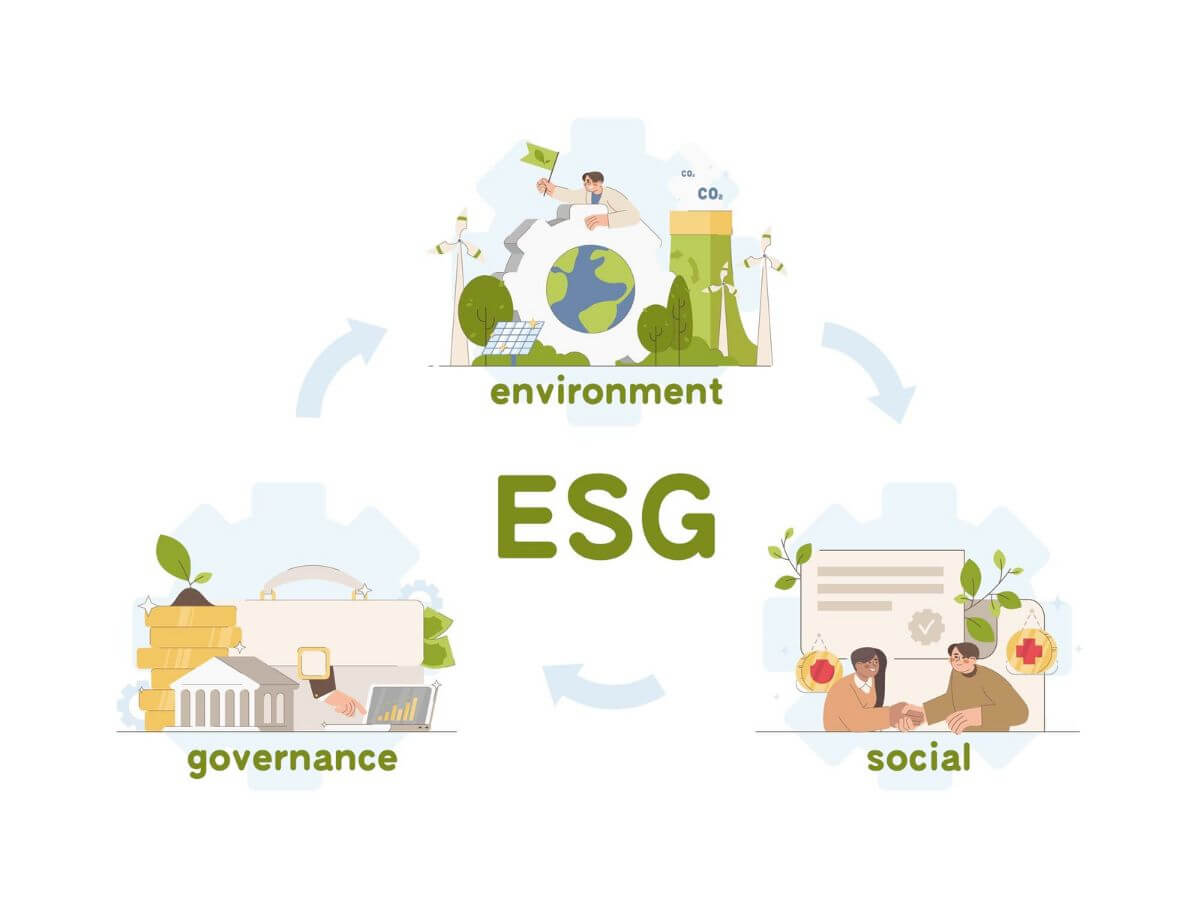
Environmental, Social, and Corporate Governance (ESG)
ESG represents a more comprehensive way of assessing companies for investment purposes by bringing environmental care, social responsibility and sound governance into prominence. ESG investing implies not just chasing profits, but also looking at how those profits are earned from a sustainable development perspective.
The environmental factor relates to an organisation's impact on nature and its commitment to sustainability. It includes considerations such as waste management, emissions control, water conservation, renewable energy usage, and steps taken towards climate change mitigation.
Next up is the social criterion. This has to do with a company’s relationships with its employees, suppliers, customers, and communities. It encapsulates factors like labour practices, human rights adherence, consumer privacy concerns, product safety measures and employee health and safety standards.
Lastly comes corporate governance. This entails how a corporation is run at the top level - essentially addressing leadership ethics. It eyes areas like board diversity and structure, executive pay scales against performance criteria, as well as transparency in operations.
Importance of ESG Malaysia
ESG in Malaysia goes beyond mere compliance; it opens opportunities for innovation and can drive economic growth in sectors crucial for Malaysia's future—like renewable energy or sustainable agriculture—by boosting investor confidence from those who prioritise sustainability.
Touch downing on these aspects shows how vital ESG considerations are in guiding Malaysian companies towards not just profitability, but also making them stewards of societal progress.
By understanding the significance of each ESG pillar—and acting upon them—businesses in Malaysia position themselves as leaders in sustainability while contributing to national development goals.
It creates a win-win scenario where businesses thrive by doing good: protecting our planet for tomorrow’s generations while ensuring today’s society sees real benefits from economic activities.
Therefore, embracing ESG isn't just about facing up to global trends—it reflects a commitment to fostering a sustainable future right here in Malaysia. The journey requires continuous effort but taking those steps is essential for both ethical operations and strategic growth.
Regulatory Framework for ESG
The primary role of ensuring ESG compliance falls on the shoulders of The Securities Commission Malaysia (SC). This authoritative body sets ESG-related guidelines for Public Listed Companies (PLCs), helping push sustainability reporting to new frontiers.
Furthermore, Bursa Malaysia plays an imperative part in maintaining ethical business practices. They have put forward their own Sustainability Framework which complements the Securities Commission's guidelines. This makes certain that companies operate with a "sustainability mindset".
At the banking sector apex, we find Bank Negara Malaysia (BNM). BNM introduced the Value-based Intermediation (VBI) initiative, encouraging financial institutions to uphold societal interests apart from profit generation.
ESG Ratings and Score
ESG rating is an assessment that gauges a company's sustainability performance. It measures how well a company adheres to key ESG principles. Calculating this ESG rating involves quite some analysis.
In general, gathering data on key indicators – such as carbon footprint, employee working conditions, and board diversity – forms the cornerstone of it all. Independent agencies scrutinise these metrics to create an objective profile of the company's sustainability actions.
The result? An ESG score - something prospective investors can rely on when seeking socially responsible investments.
Every bit of information helps in making informed decisions. As understanding deepens about the duty corporations have towards society and our environment, so does the importance of these ratings grow—shaping trends not just in Malaysia but all over the globe.
Example of ESG Company: Ajinomoto Malaysia

End of 2023, Ajinomoto Malaysia's business landscape has seen a remarkable change. The integration of ESG trends in the business strategy is increasing at an impressive pace.
- The establishment of a new 3-tier Sustainability Governance Structure took place where a Risk Management Committee (RMC) was incorporated solely to consummate ESG risks.
- Simultaneously running alongside RMC, an ESG Committee (ESGC) was launched to conceive and implement ESG action plans and ESG strategy.
- Together, these committees lay firm support for SMC’s (Sustainability Management Committee’s) role centred around risk management and recognition of opportunities while steering the sustainability for the brand's growth.
- Staying true to Bursa Malaysia’s requirements, a scrupulous materiality reassessment took place in which 14 core sustainability issues emerged pertinent to the reporting year.
- Manufacturing operations were moved officially to Bandar Enstek – hailed for its green factory design – setting a fresh paradigm for improved productivity while bolstering employee engagement.
Taken collectively, 2023 marked crucial steps within Ajinomoto Malaysia’s journey towards solidifying their stake as leaders within the ESG arena.