Greenhouse Effect
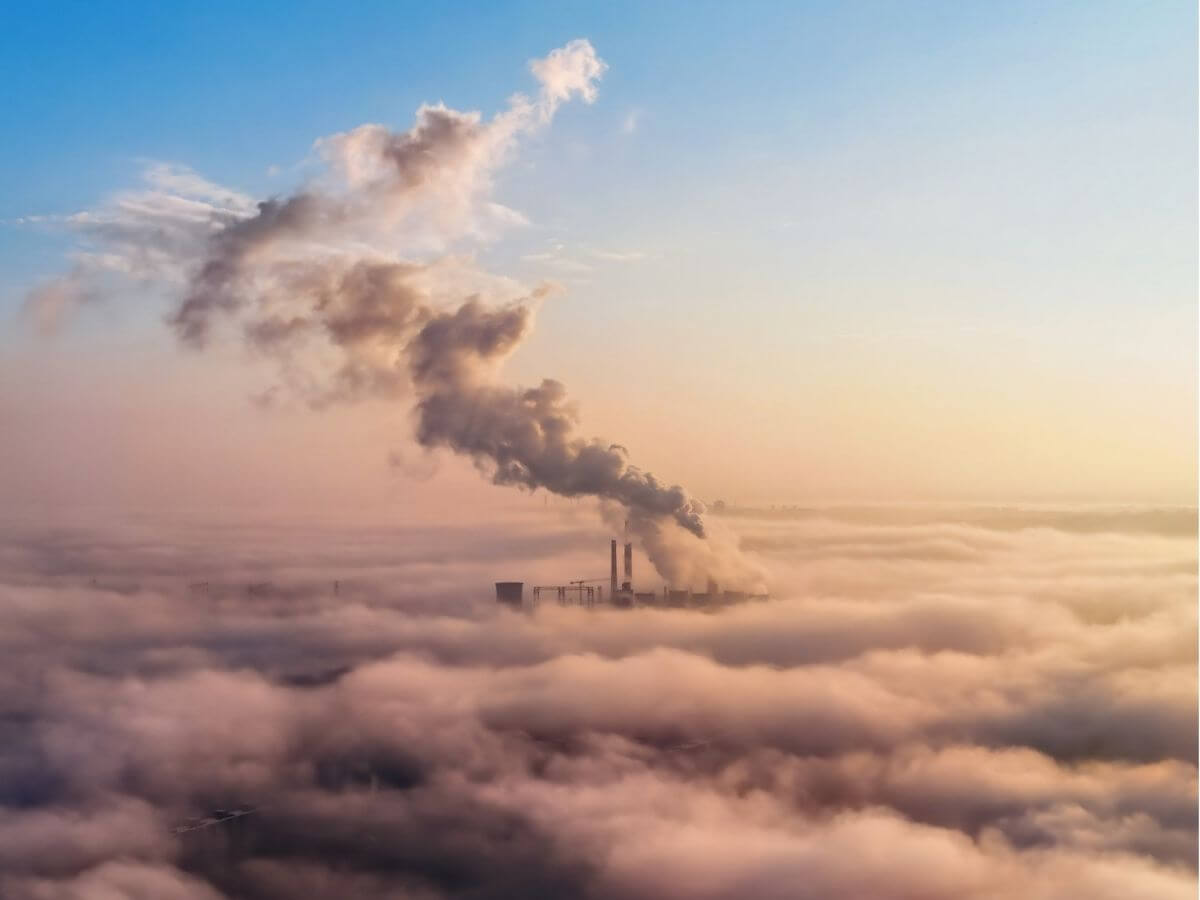
When we talk about greenhouse gases (GHGs), we're referring to those invisible gases in the atmosphere that trap heat from the sun, making Earth a liveable planet for us. The gases include carbon dioxide (CO2), methane (CH4), nitrous oxide (N2O), and fluorinated gases.
What is the greenhouse effect?
The greenhouse effect is a natural process that warms the Earth's surface, primarily through the action of greenhouse gases trapping heat in the atmosphere.
This trapped heat helps to maintain the Earth's average temperature at a stable level suitable for supporting life as we know it. Without the greenhouse effect, the Earth's average temperature would be considerably lower, making it much less hospitable.
Causes of the Greenhouse Effect
When the Sun's energy reaches the Earth, some of it is reflected back to space and the rest is absorbed and re-radiated by greenhouse gases in the atmosphere. These gases act like the glass walls of a greenhouse, keeping the planet at a temperature conducive to life
Greenhouse Effect and Global Warming
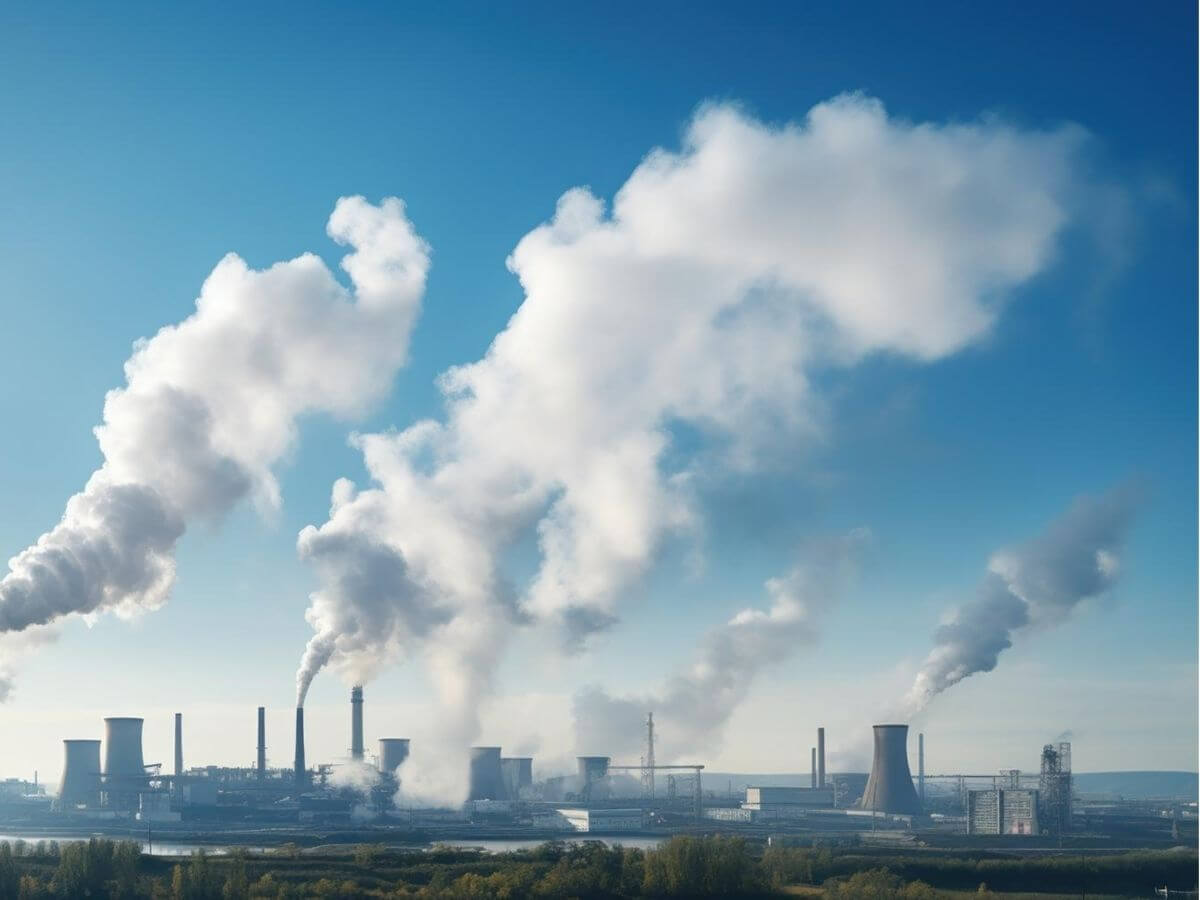
Without this natural greenhouse effect, Earth's average temperature would be about -18°C, rather than the present average of 15°C, making life as we know it impossible.
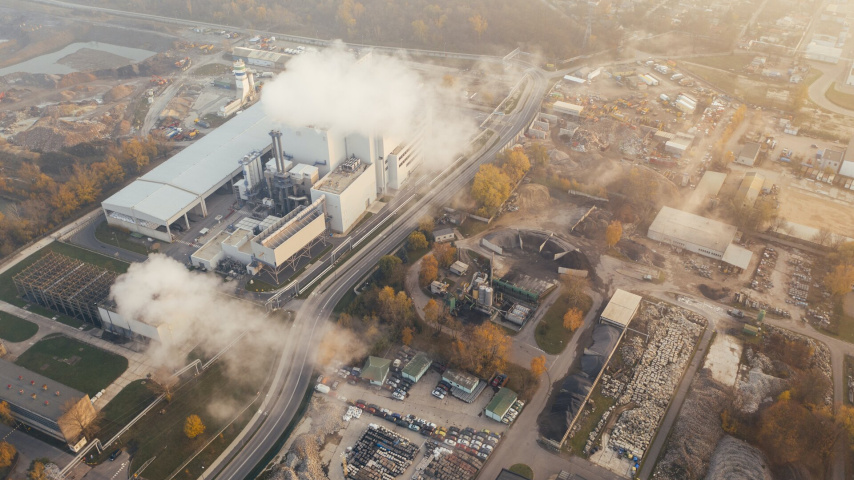
However, the problem arises when the greenhouse gas concentrations increase beyond natural levels. The escalation of the greenhouse effect, largely driven by human activities such as burning fossil fuels, has become a pivotal concern in discussions surrounding climate change.
The progression from a balanced greenhouse effect to global warming embodies a critical transition from a life-supporting Earth system to one that poses significant risks to natural and human systems.
This warming affects climate patterns, leading to extreme weather events, rising sea levels, and shifts in biodiversity. Understanding this relationship is crucial for developing strategies to mitigate global warming impacts by adopting sustainable practices.
Ajinomoto Malaysia in Combating Global Warming

Ajinomoto Malaysia has taken significant strides in reducing greenhouse gases (GHGs), showcasing a strong commitment to sustainability in Malaysia.
A key part of our strategy includes the detailed tracking of total carbon dioxide emissions, breaking them down into Scope 1 (direct emissions from owned or controlled sources) and Scope 2 (indirect emissions from the generation of purchased energy).
In 2023, Scope 1 emissions saw a decrease of 43.5% compared to the previous year, primarily due to the decommissioning of operations at Kuchai Lama site. This action also contributed to a 10% reduction in Scope 1 GHG emissions intensity for Kuchai Lama.
Meanwhile, Scope 2 GHG emissions recorded a 39.8% decrease in comparison with the previous year, mirroring the gradual cessation of operations. The relocation efforts further resulted in a 5.1% drop in Scope 2 GHG emissions intensity compared to the previous year.
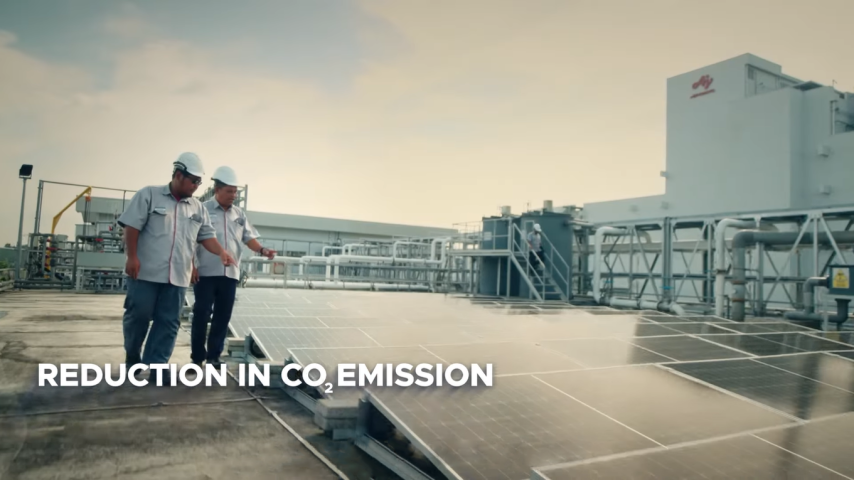
Another notable initiative is the installation of solar panels across our operations. This move towards renewable energy generation signifies a substantial step in mitigating climate impact by reducing reliance on fossil fuels.
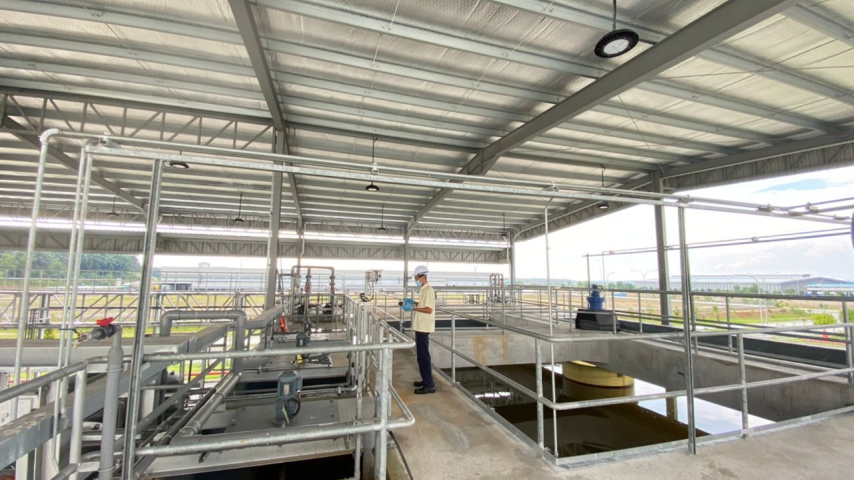
Furthermore, Ajinomoto Malaysia has transitioned to using fully natural gas in our latest manufacturing facility, moving away from fuel oil and liquid petroleum gas. The switch to natural gas contributes to cleaner production processes.
These efforts by Ajinomoto Malaysia exemplify concrete actions towards mitigating global warming, underlining the importance of corporate responsibility in addressing environmental sustainability.